

Blog

The Discipline of Silence
We have all had that moment. An email lands in our inbox, or a comment appears on social media, and suddenly we are seeing red. Emotions run high, and we feel the pull to respond, whether with a sharply worded reply or a careful defense of our position. But before we hit send, it is worth pausing to ask two questions: Will this actually help? And what will it cost our reputation, and the reputation of the organization we represent?
Sometimes the most professional response is no response at all.
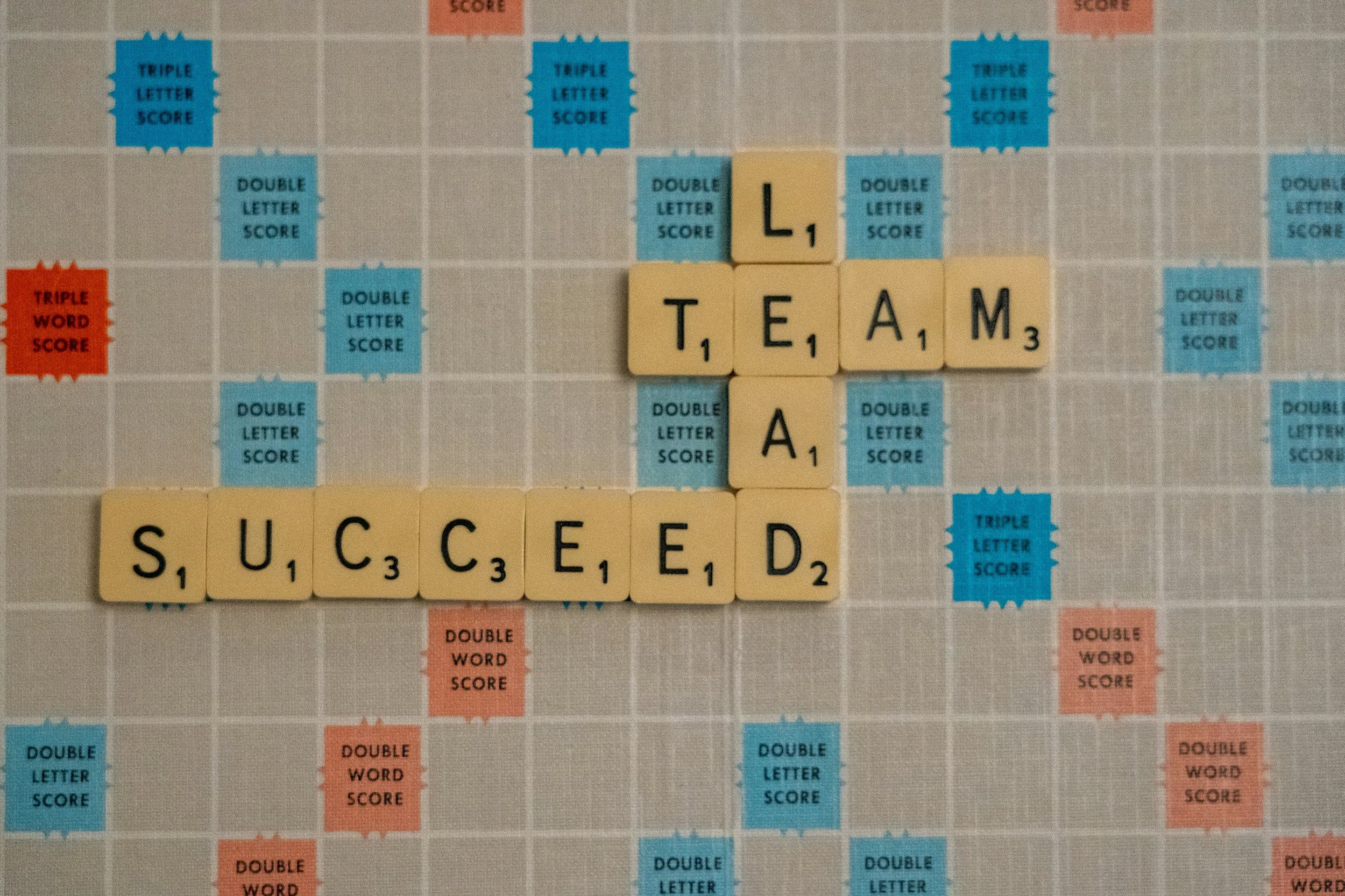
Etiquette Is Not a Soft Skill — It's a Leadership Asset
The work was excellent. But the leader didn't fully show up.
This is what I call the competency gap — and etiquette sits right at the center of it.
Your Everyday Etiquette Toolkit
In this series, we've covered why etiquette matters in modern workplaces, the 3 C's framework for clear communication, and how to adapt your approach across cultures and communication styles. Now let's get practical.

Inclusive Etiquette—Navigating Cultural and Communication Differences
This is where etiquette gets really interesting—and, I'd argue, more important than ever. When you're working in diverse, global, or cross-departmental environments, it's easy to misread cues. Something that seems efficient and clear to one person may feel blunt, rushed, or even disrespectful to someone else. And here's the challenge: both people often have good intentions. The disconnect happens in the gap between different cultural or stylistic expectations.

The 3 C's—Your Compass for Professional Communication
Let me introduce you to a simple framework you can use in nearly any professional situation. I call it the 3 C's: Clarity, Consideration, and Consistency. When in doubt about how to communicate or respond, return to these three principles.

Why Modern Etiquette Matters More Than Ever
Here's what modern etiquette really is: a toolkit of behaviors you can choose to employ every day that show consideration for others, demonstrate respect, and help people feel comfortable in situations that might otherwise create nervousness or uncertainty. It's not about silently keeping score of others' mistakes. It's about self-reflection and intentional practice focused on how your actions affect the people around you.

Choosing Approachability
We've explored why approachability matters and examined the subtle signals that shape how others experience us. Now it's time for the practical part: What specific choices can you make to enhance your approachability?

Reading the Room
Your posture, your tone, your facial expressions, even how quickly you choose to respond to an email or whether you choose to turn your camera on in a virtual meeting—these seemingly small decisions accumulate and shape how others experience you.
The Hidden Power of Approachability
We spend countless hours perfecting our elevator pitches, polishing our resumes, and rehearsing what we'll say in important meetings. But here's something that might surprise you: those carefully chosen words account for only 7% of the first impression you make.

Why Continuing Education Is Essential for Protocol Professionals in a Rapidly Changing World
Protocol professionals serve as the custodians of order, respect, and diplomacy in an increasingly complex and interconnected world. To do this work well, we must evolve alongside the world we serve.

Protocol Meets Sustainability: Why Every Detail Matters
At its best, protocol is more than just polish and precision—it’s a reflection of our values. As professionals who design meaningful experiences for global audiences, we’re not just coordinating logistics; we’re shaping impact. That’s why sustainability belongs at the center of our work.

The Language of Academia
Academia is steeped in tradition, and with tradition comes protocol. Like other institutions with long histories, significant ceremonies, and established hierarchies, the nuances of academia can be mysterious and confusing to those unfamiliar with it.

Avoiding The Reply All Trap
The "Reply All" button might be one of email's most dangerous features. While it occasionally serves a legitimate purpose, it's more often a source of inbox chaos, professional embarrassment, and workplace frustration.

Innovating the Protocol Profession
As we embrace new advancements, we must also focus on developing and cultivating the protocol profession for the future—ensuring that the next generation of professionals is equipped with the knowledge, skills, and support they need to continue the work we’ve done while pushing the field forward in new and exciting ways.

Being Present While Staying Connected
Cell phones are everywhere—and for good reason. They keep us connected, informed, and entertained. Most of us carry them constantly, making them a fixture in both our private and public lives.
But with constant connectivity comes a need for thoughtful etiquette. How we use our phones says a lot about how we regard the people around us.

How to Show Up Professionally—Even from Your Couch
The basics of virtual meetings and remote work may seem second nature by now—but for many, they’re still a source of anxiety. Whether you’re new to the workforce or transitioning from an in-person role to a remote environment, showing up as your best professional self on screen takes intention and awareness. Here's how to do it with confidence and class.

The Silent Language of Cutlery
It's surprising that I've never come across graphics like the one pinned to this post before, even though variations of it have reportedly circulated online for years. I truly hope this all started as a joke. However, as an etiquette trainer, I feel compelled to clarify the truth about what your cutlery should – and shouldn’t – be communicating to those serving you during a meal.

AI or Not, Respect is Key: Etiquette for Chatbot Interactions
In today’s digital world, many customer service systems are either initiated by or fully run by chatbots, which are powered by AI. As these bots become a more frequent part of our daily lives, it's important to consider how we should conduct ourselves when engaging with them.

Expressing Your Style: How to Stay True to Yourself Within the Business Dress Code
This is a question I often hear in my etiquette courses: How do I show my personality but still follow a business dress code?

“Severance” and insights on business etiquette
One of the interesting elements of Severance is how it portrays the culture of Lumon Industries, particularly the use of formal and informal names. The show’s writers effectively illustrate a status-oriented environment—one that emphasizes respect through recognition of hierarchical structures.